
Zero-shot anomaly detection
Start detecting defects without preparing a single training image
Inspection AI has come this far.
An AI that needs no prior training on images leaves visual inspection far freer than it was.
Finding anomalies without training
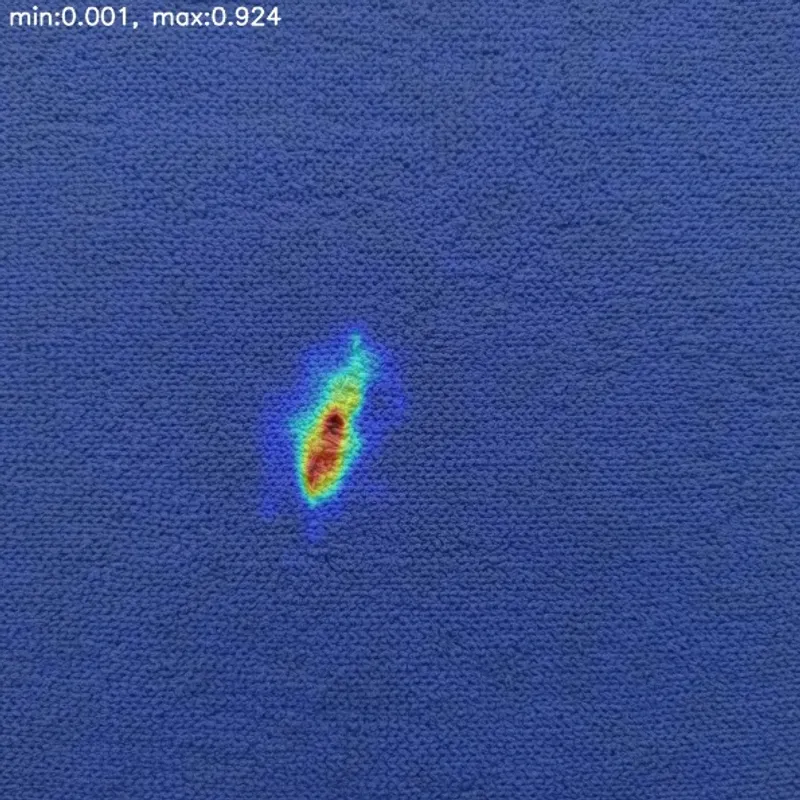
An unnatural patch picked out of a knitted fabric with a complex pattern. No images of this product were learned beforehand.
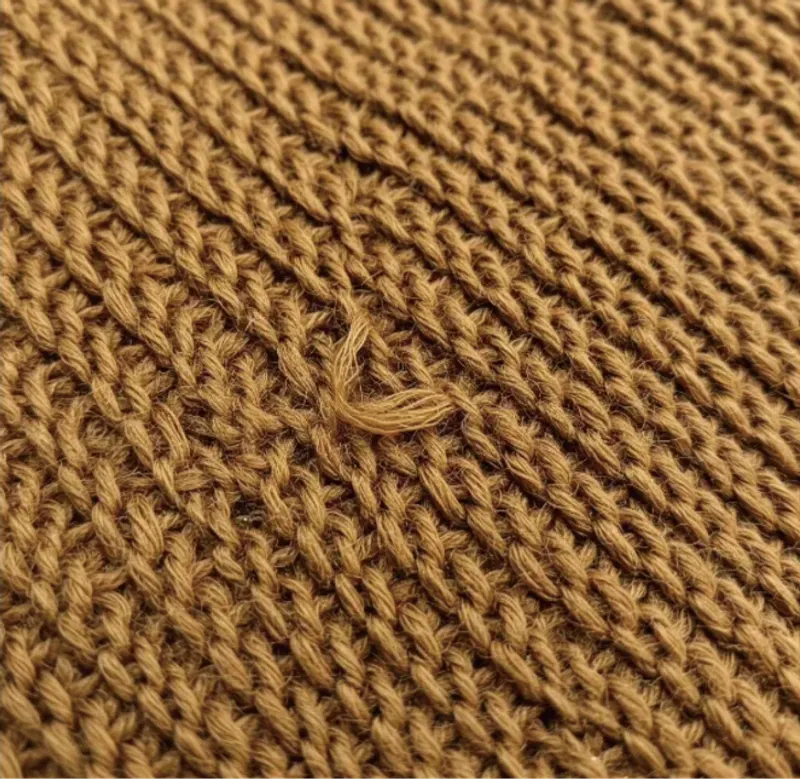
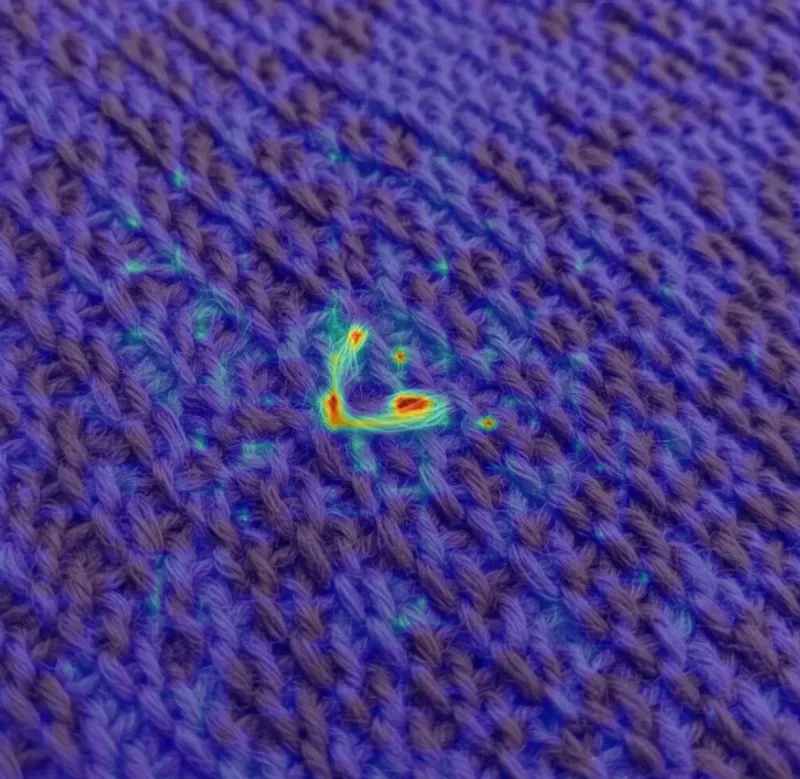
* Nothing was trained in advance for this example
What zero-shot anomaly detection is
Zero-shot anomaly detection is an anomaly detection AI that needs no prior training on images. OUEN developed it, and the core technology is patented.
AI visual inspection has so far meant one of two things: learning defective samples (supervised) or learning good ones (unsupervised, anomaly detection). Both sit on an extension of statistical image processing, and both require a stage where images of that product are gathered and learned.
This is where zero-shot anomaly detection parts company with them. Using generative AI, it points at the places that do not belong on that product, with nothing learned in advance. It works whatever the framing and whatever the variant, and it catches not only clear scratches but the vague defects a person would describe as somehow wrong.
The same thing a person does when something looks off
There is an explanation we often reach for on sales calls.
Over a lifetime a person sees an enormous number of things, and so knows what ordinary looks like. Shown a product for the first time, they still notice when something is off. On an inspection floor the same holds: tell someone who has just joined “let us know if anything looks strange” and they will find a fair amount of it, without ever being taught the definition of a defect.
Zero-shot anomaly detection is doing that. With nothing taught in advance, it responds to the places that do not belong on that product.
Teach it, and it finds more. If you want the accuracy higher, teaching is the quicker route. An inspector, too, finds far more once they have been shown defective samples and told “this is what an NG looks like.” Fine-tuning is that step: show it a handful of defect images and tell it what counts as a problem. A few images and a few minutes of training lift detection accuracy considerably.
And it keeps responding to what it was never taught. That is the new part.
Tell a person that one particular contaminant is unacceptable, and they will judge a different contaminant the same way. They were taught one thing, but what got updated was their sense of what a contaminant is.
Zero-shot anomaly detection behaves the same way. Beyond the defects fine-tuning taught it, it goes on responding to defects it was not taught.
Defect-learning AI cannot do this. It only finds the defect modes it learned, so the more you teach it, the closer it comes to seeing only what it was taught. Zero-shot anomaly detection runs the other way: the more it is taught, the sharper its sense of ordinary becomes.
What changes when training is not needed
No preparation work
Building the model, collecting training data, annotating it. The stage that eats the most time at the start of a project simply drops away. Nor is there any waiting for defect images to accumulate.
High-mix, low-volume becomes workable
With no AI model to build per product, inspection can start on small-batch and high-mix lines straight away. It ends the open-ended cycle of retraining every time a variant is added.
Variation is tolerated
It handles the subjects conventional AI and image processing found hard — food, textiles, natural materials — where the good product itself varies widely in appearance.
How small a defect it can find
With no training at all, it marks the anomalous areas of a product. A few pixels in the image may be enough for it to be found.
The speed is usable on a line too: it supports inspection at around 100 ms per image, which fits inside most takt times.
Other examples
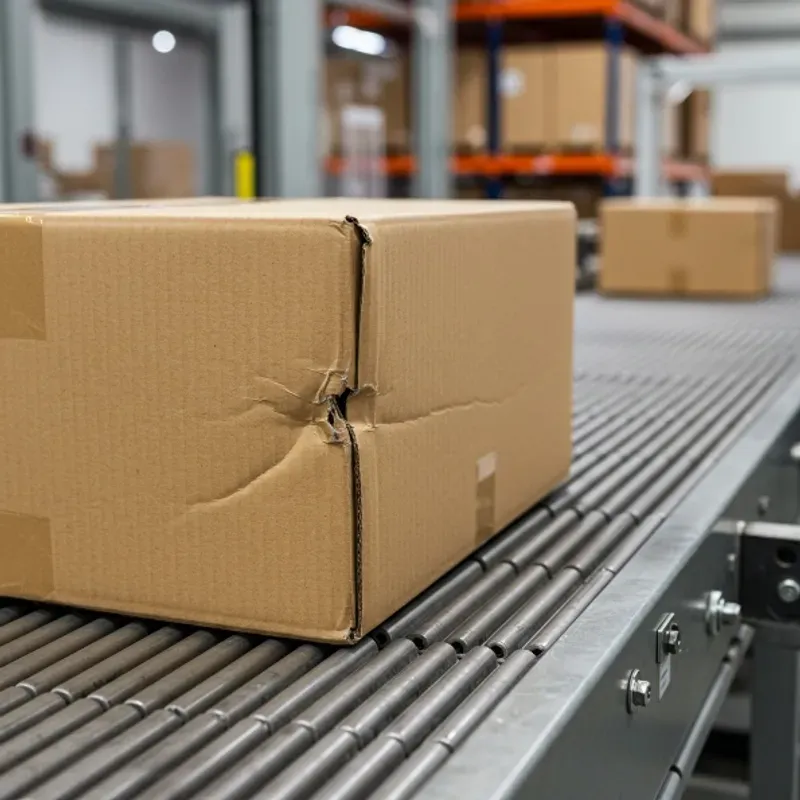
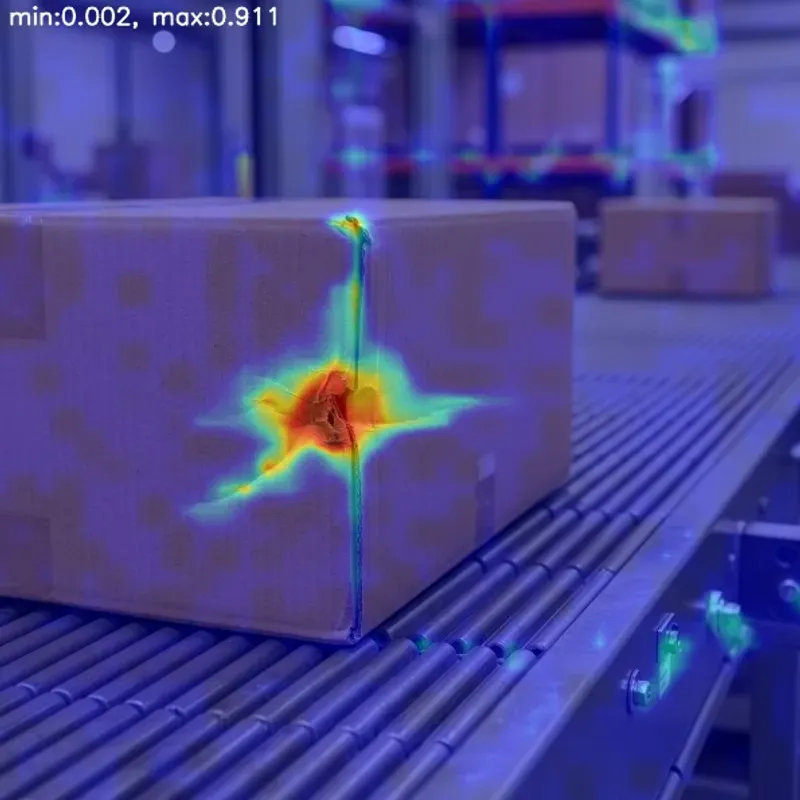
Cartons 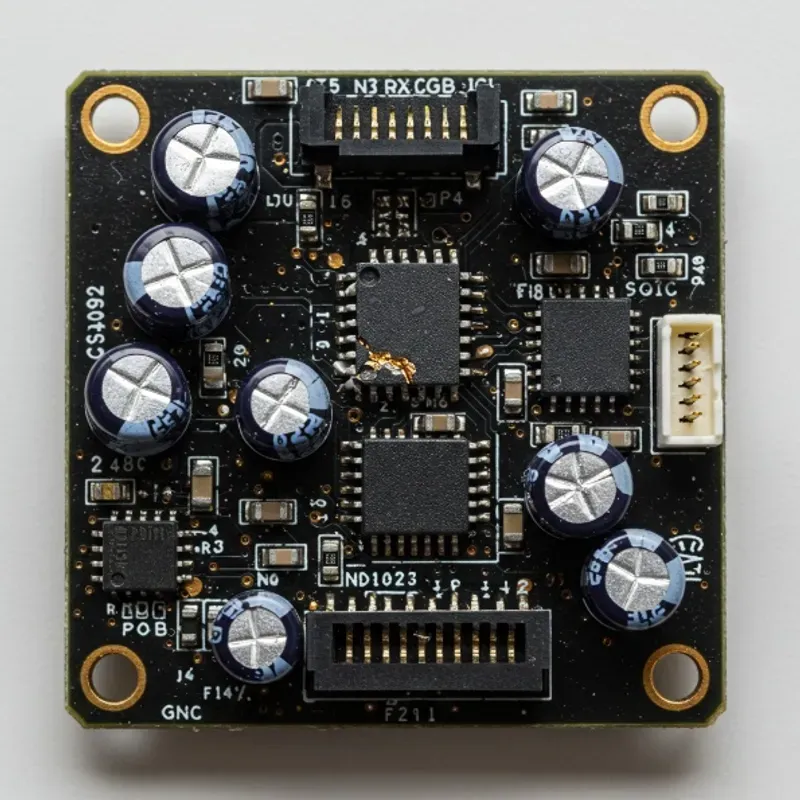
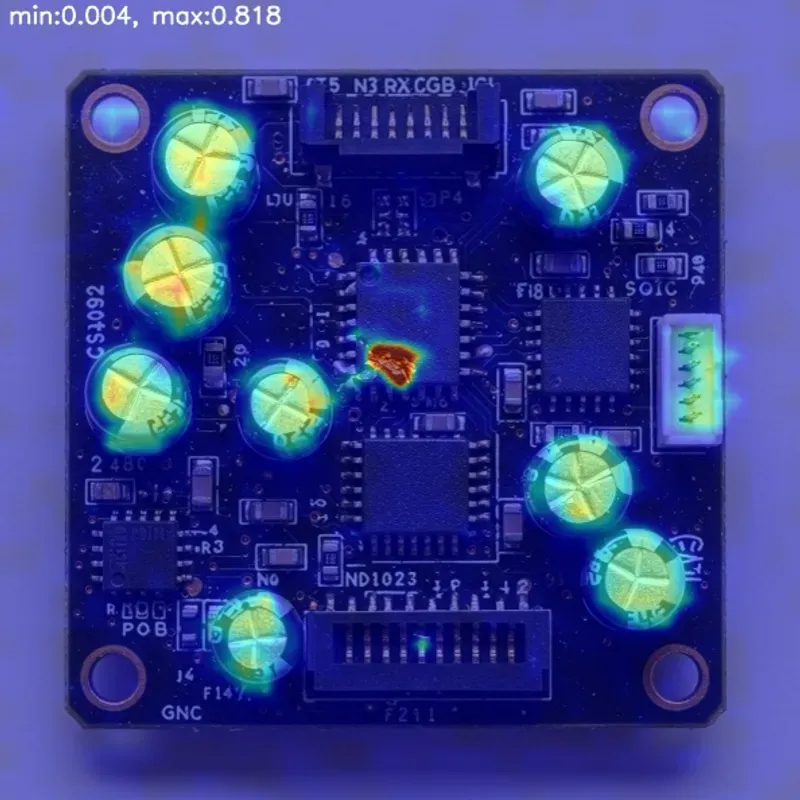
Circuit boards 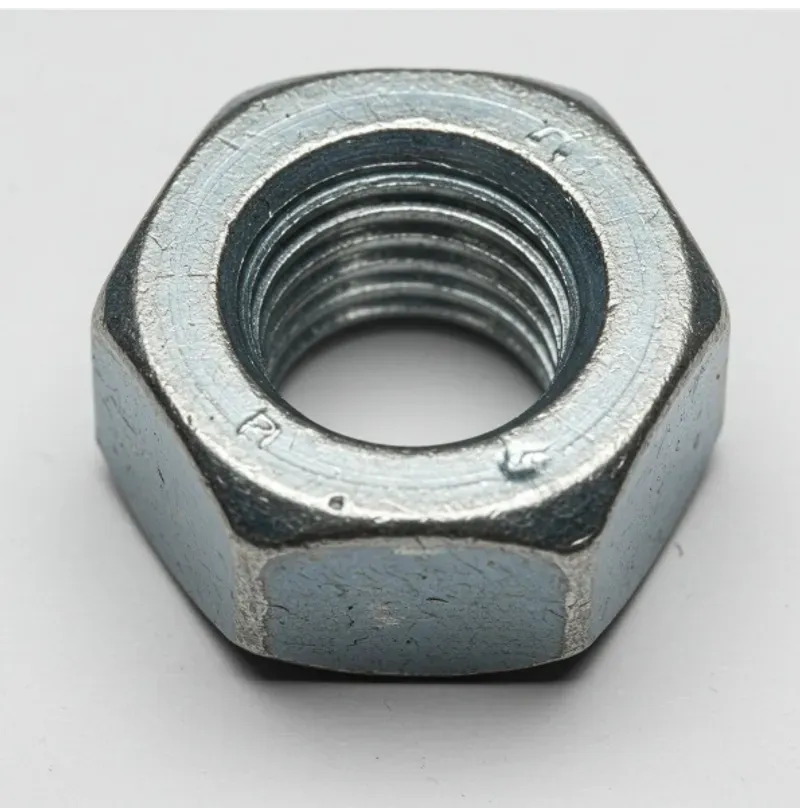
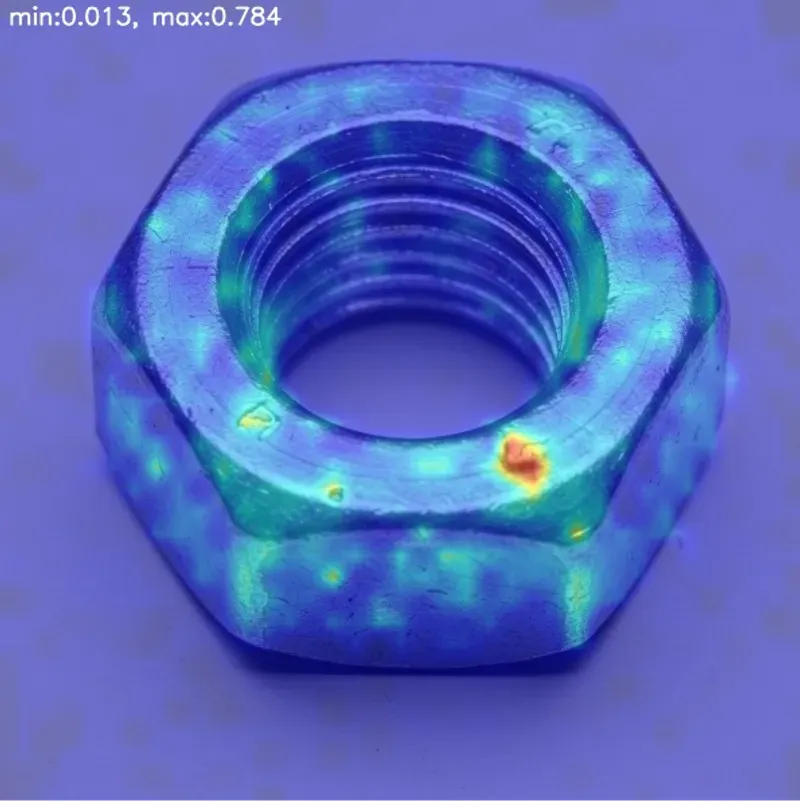
Metal parts 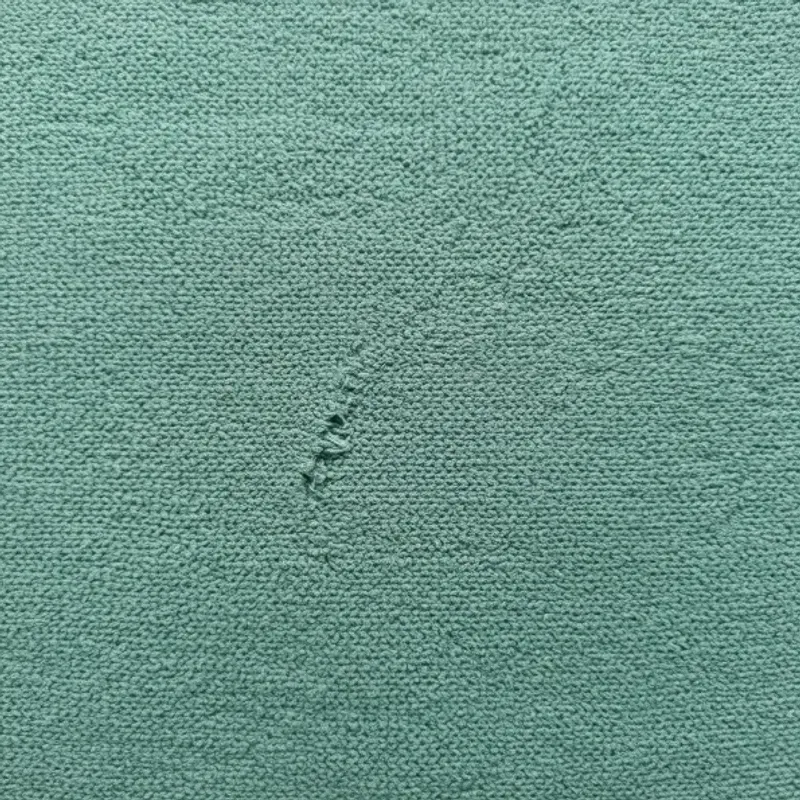
Wall covering 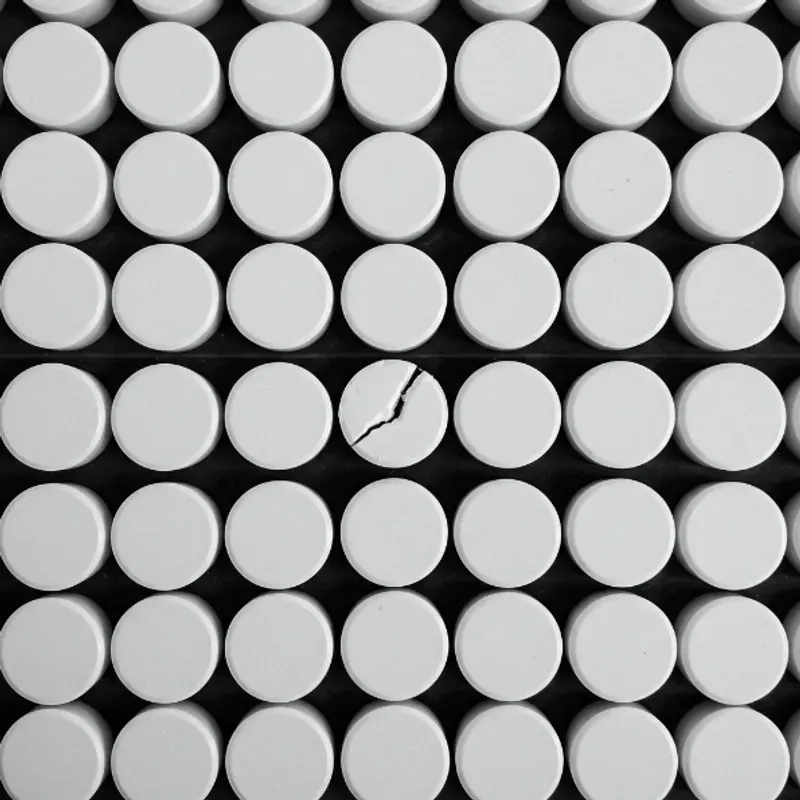
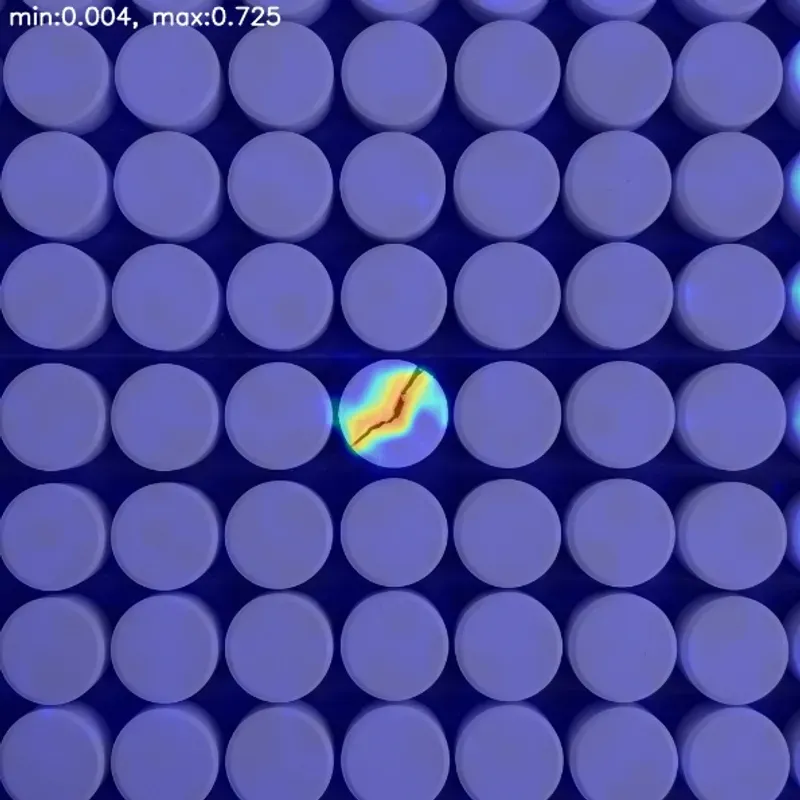
Pharmaceuticals 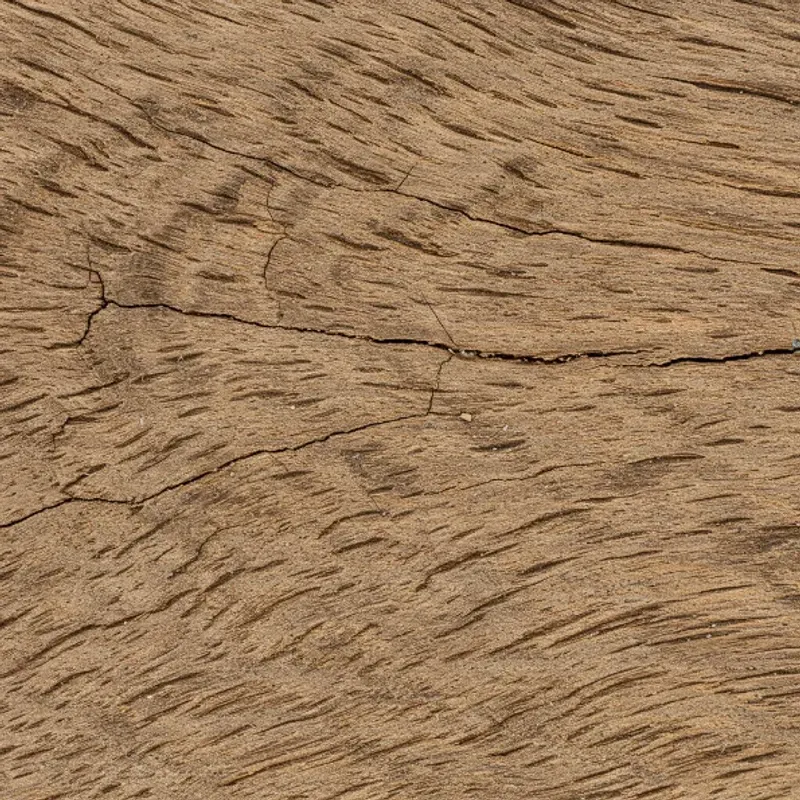
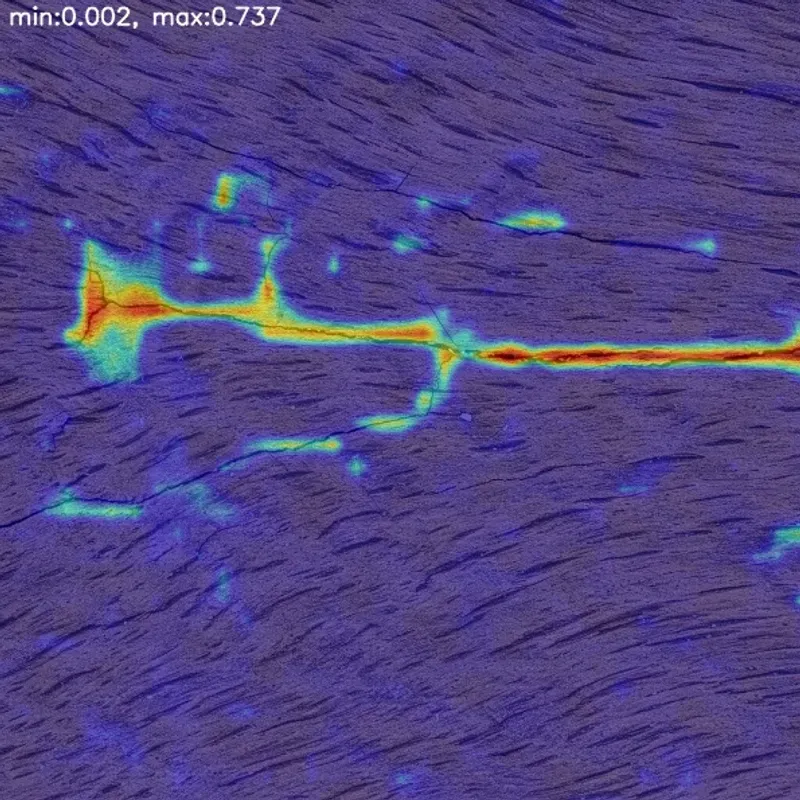
Timber 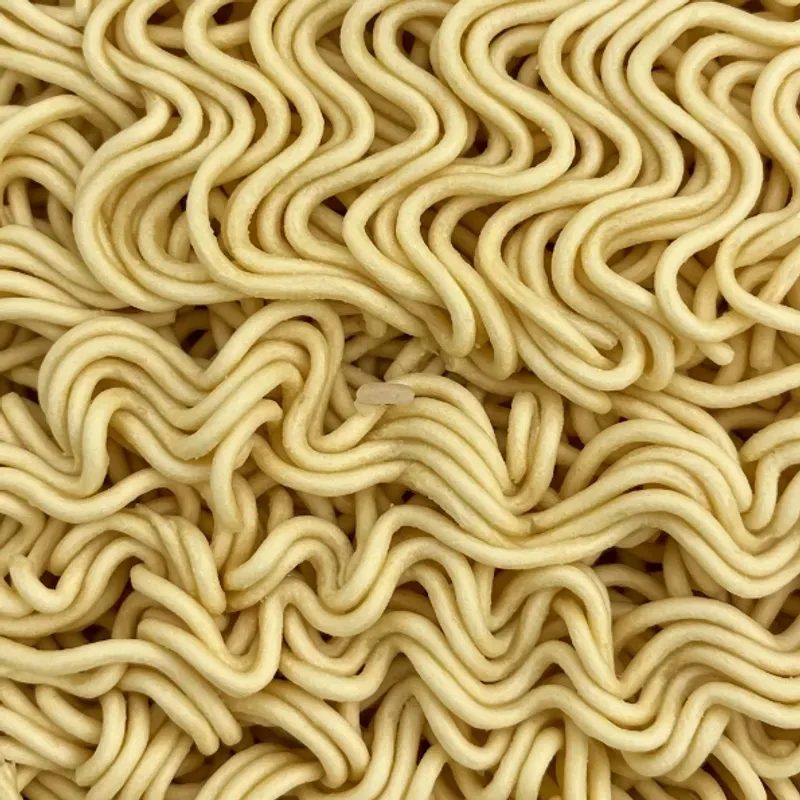
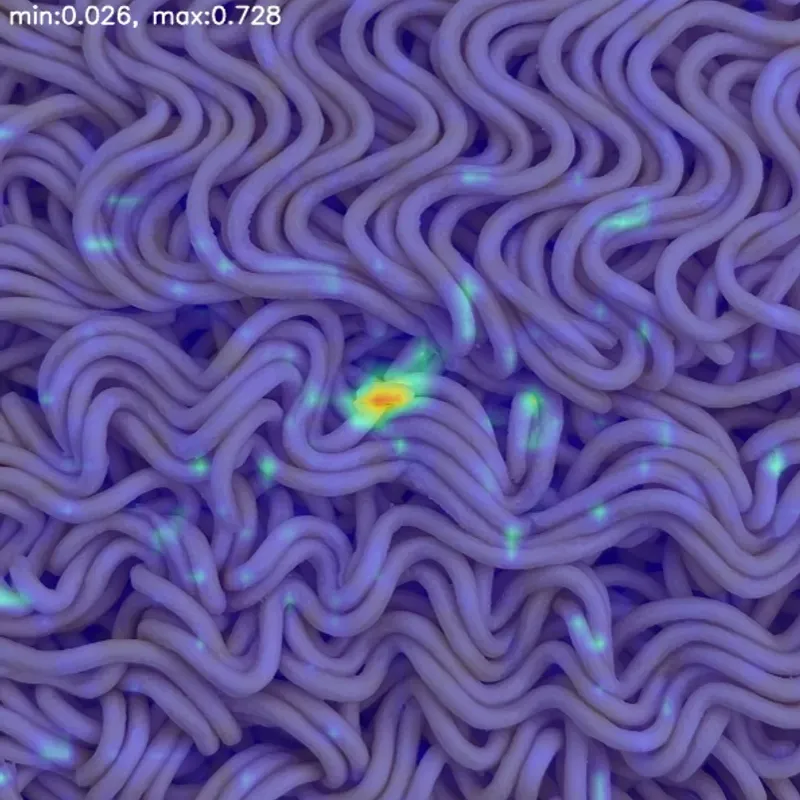
Noodles 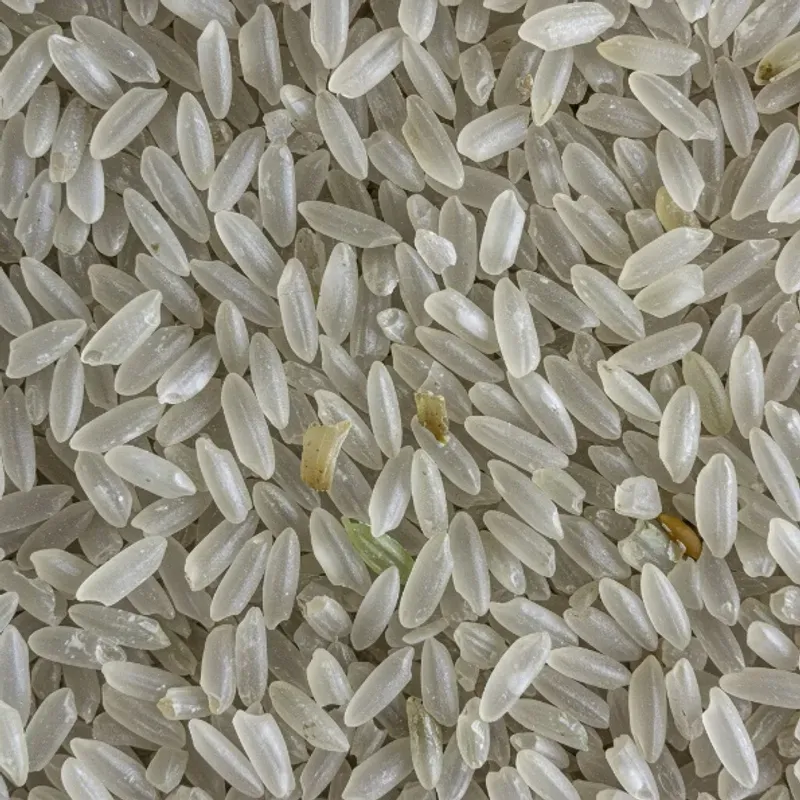
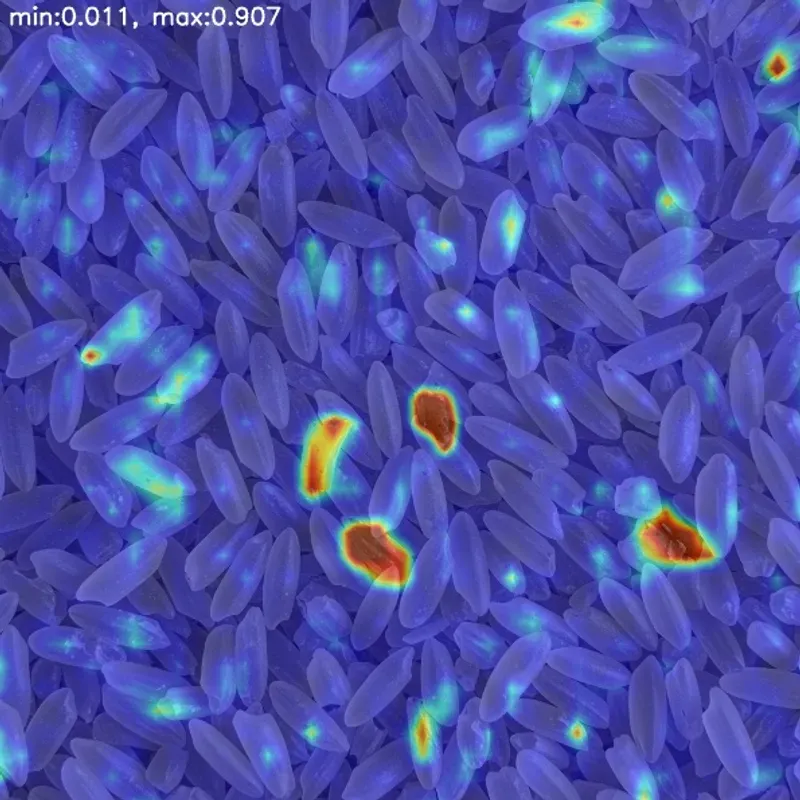
Rice grains
* Nothing was trained in advance for any of these
Where zero-shot anomaly detection earns its place
01High-mix, low-volume lines
Where building an AI model per product was too heavy and the project was shelved, there is no training to do, so inspection can start right away.
- Food processing and inspection
- Inspecting cloth and apparel
- High-mix lines for machined parts
02Lines where positioning is awkward
Conventional methods assume the pose and the framing can be made consistent on the conveyor. Zero-shot anomaly detection finds anomalies without that alignment.
- Packaging inspection in logistics
- Screws, nuts and other items carried loose
- Incoming and outgoing inspection
03Food, natural materials and other variable subjects
When even good products differ widely in size and shape, conventional AI struggled with the training itself. Zero-shot anomaly detection catches contaminants and damage on them.
- Foreign objects in raw materials and processed food
- Natural materials such as timber and stone
Questions we are often asked
How does it differ from conventional AI?
Conventional supervised learning (learning defects) and unsupervised learning (learning good products, anomaly detection) use statistical image processing methods. Zero-shot anomaly detection uses generative AI, so its make-up is different. That proprietary approach is what lets it hold accuracy across a range of subjects while inspecting at around 100 ms per image.
How fine a defect can it detect?
A few pixels in the image may be enough. It does depend on the subject and the capture conditions, so the sure way is to try it on your own images. The first pre-validation is free of charge.
What kinds of subjects has it been used on?
Mostly on high-mix, low-volume lines and on products where good samples vary widely. Major food manufacturers, cosmetics manufacturers, automotive parts manufacturers and equipment makers use it, across industries and company sizes.
Does generative AI mean it needs a network connection?
No. It is built for manufacturing, so to remove both response lag and security exposure our own compression work keeps it a generative AI that runs entirely on local hardware. No images leave your site.
Can it inspect roll-to-roll production?
Yes. Continuous inspection, where rule-based checks have been the norm, is supported as well. The speed and resolution it has to reach are designed around your requirements and proposed as a system.
Is the patent granted?
Yes. We developed inspection using generative AI — including the inspection software — along with the optimisation and tuning behind it ahead of others, and hold a granted patent on the core technology.
Where it sits in the product
Zero-shot anomaly detection is not a product on its own. It is one of the eight AI types carried in Inspection Designer, our no-code visual inspection software.
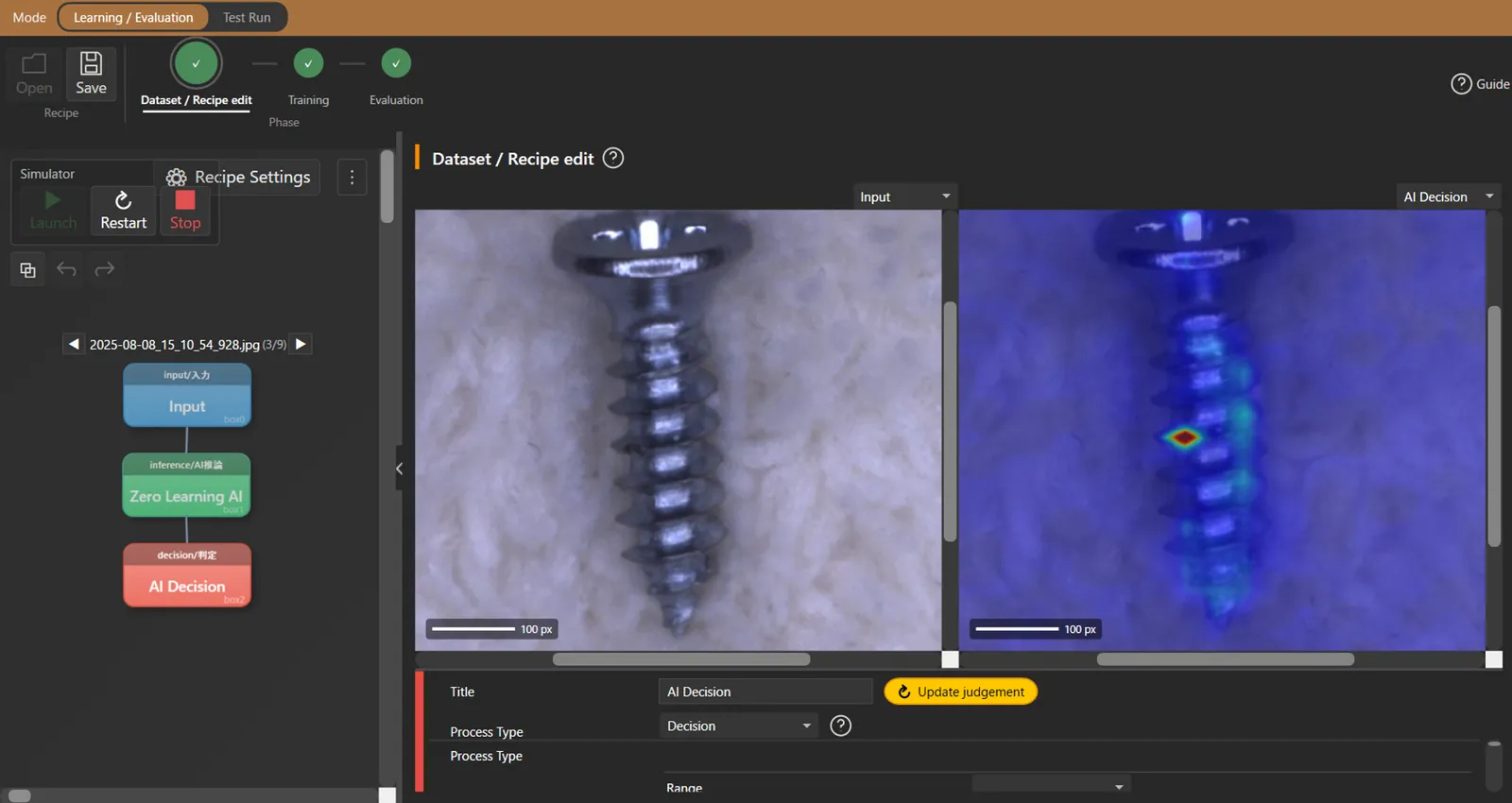
The same software also holds good-product learning, object detection, segmentation and AI OCR. You can get your bearings with zero-shot anomaly detection and then swap in another method only where it is needed — all before any training data exists. Capture, inspection combining several AI types, and communication with the equipment are built in one place, which keeps the project moving.
What zero-shot anomaly detection looks like on a real floor, and how the five conventional AI methods differ, are in the columns.
Want AI inspection but cannot collect defects? That is what Zero-Training AI is for
Seeing it without being taught — the Zero-Training AI that high-mix, low-volume floors asked for
Five ways AI inspects an image — and where Inspection Designer differs